Before side by sides hit the market, outdoor tasks often relied on modified ATVs, tractors, or manual transport—each with its own limitations in terms of load capacity, passenger space, and terrain handling. The introduction of side by sides in the late 1980s and early 1990s filled a major gap: offering the ruggedness of an ATV with the functionality of a small utility truck.
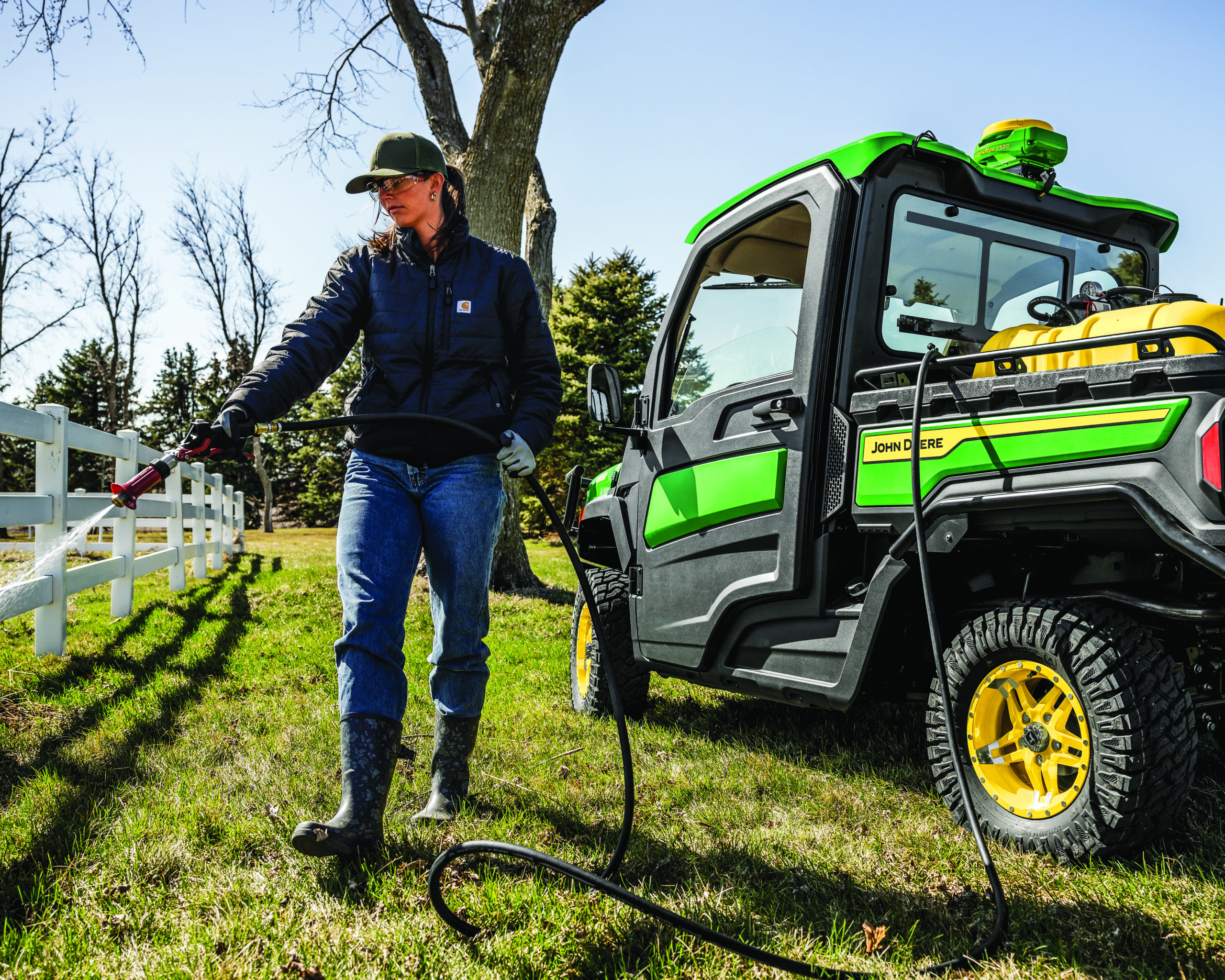
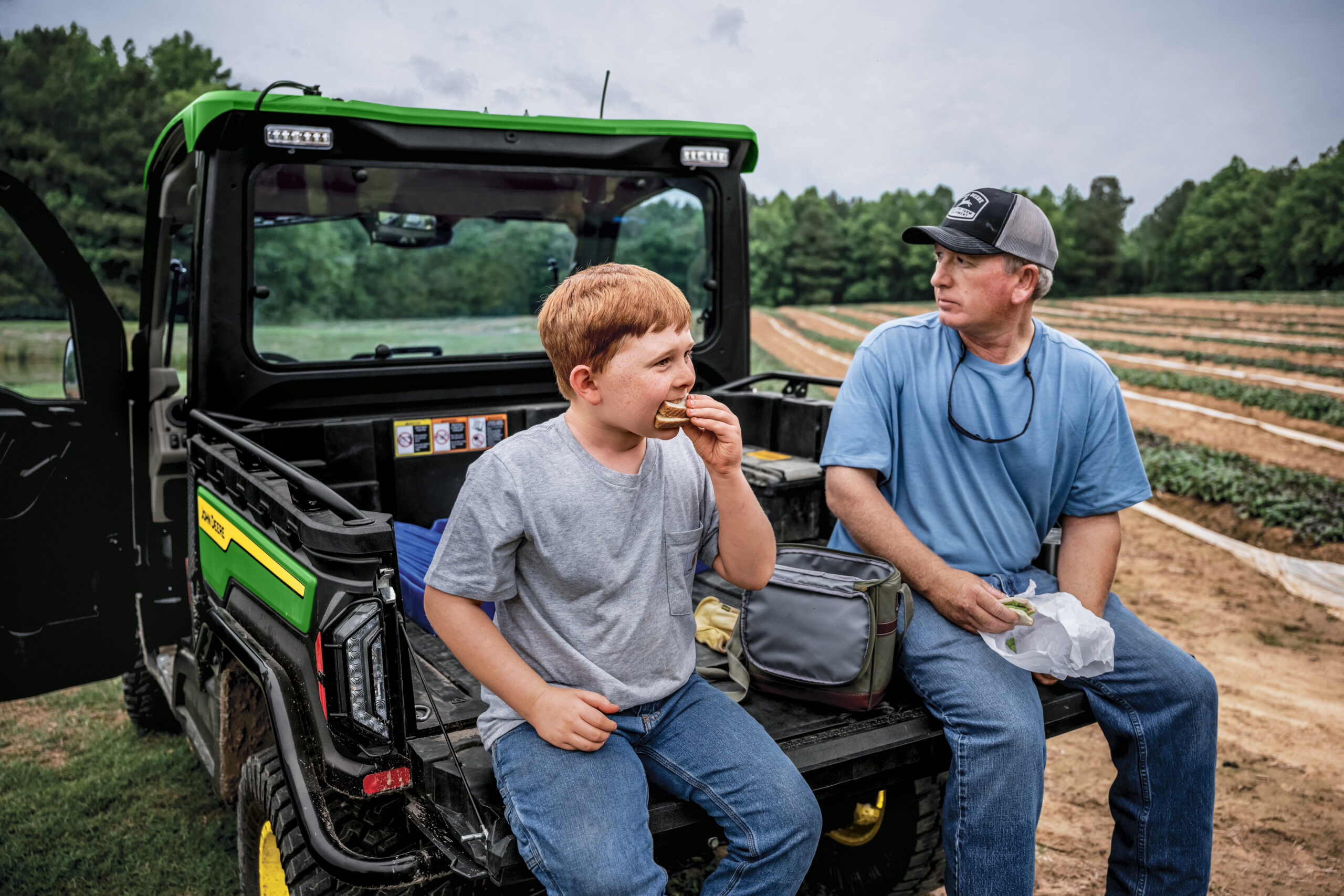
Throughout the ‘90s, UTVs gained popularity for agriculture and maintenance work. Their strength, simplicity, and four-wheel utility made them an everyday tool on large properties. While still focused on utility, manufacturers began refining drivetrains, increasing payload capacity, and improving comfort.
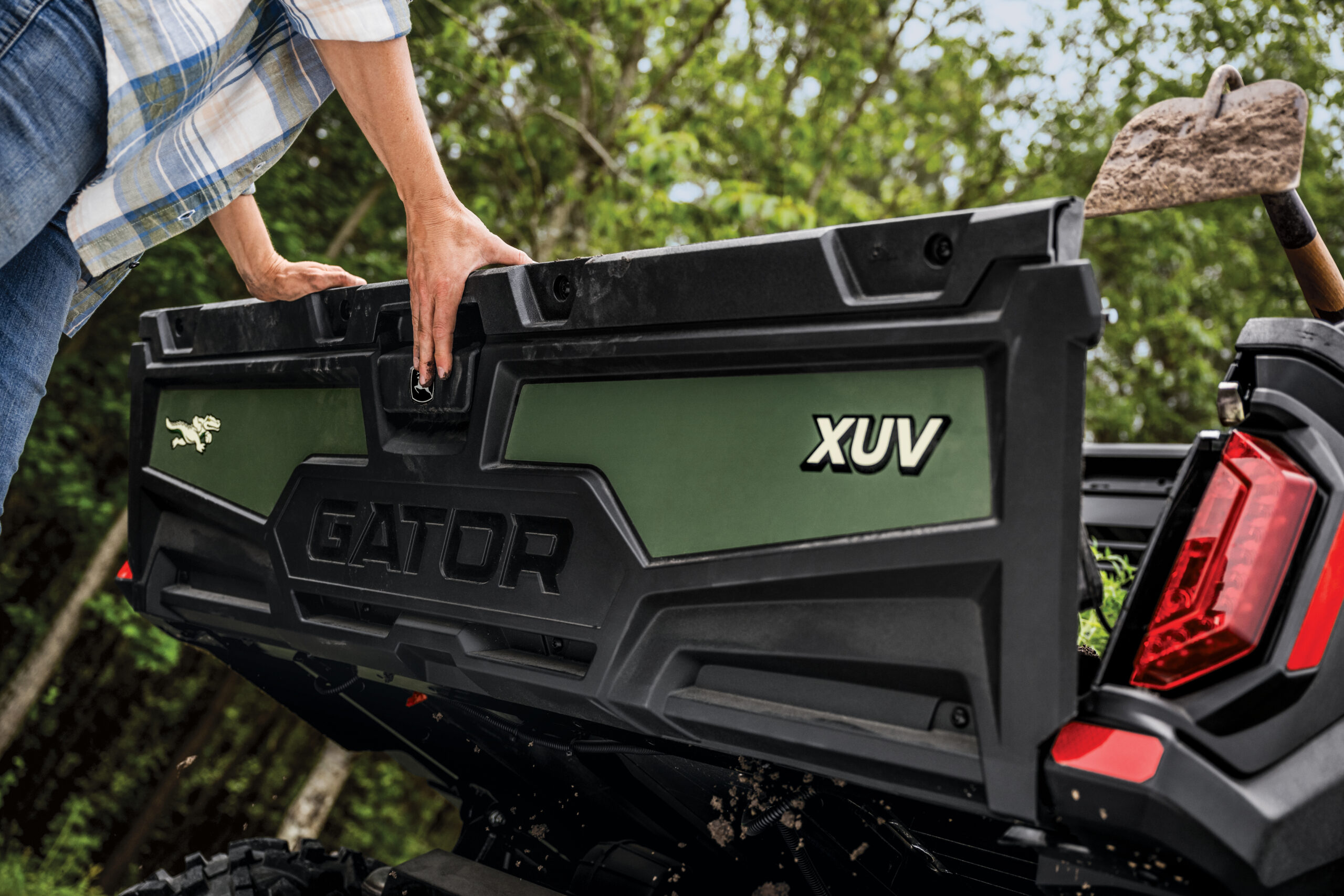
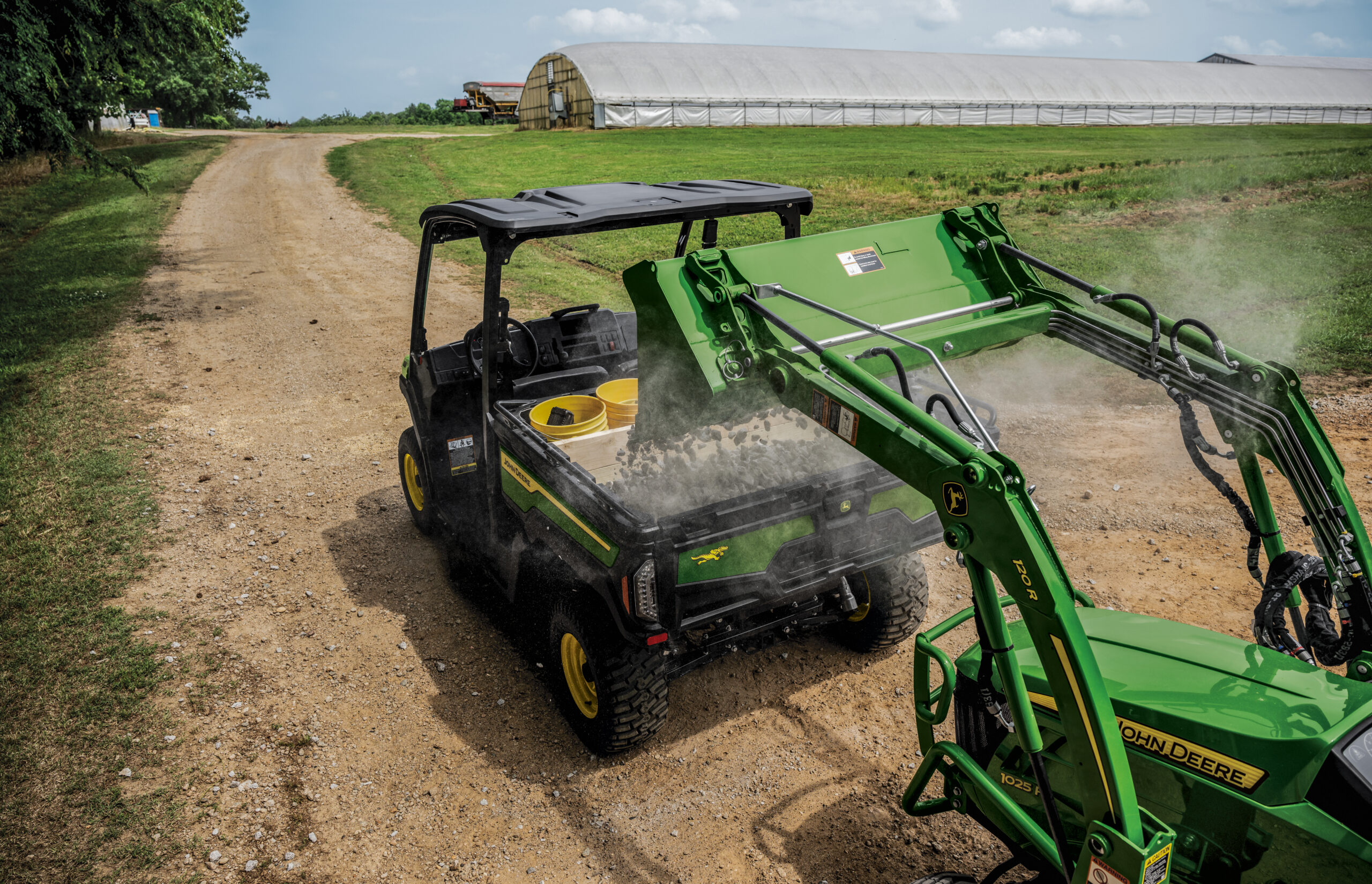
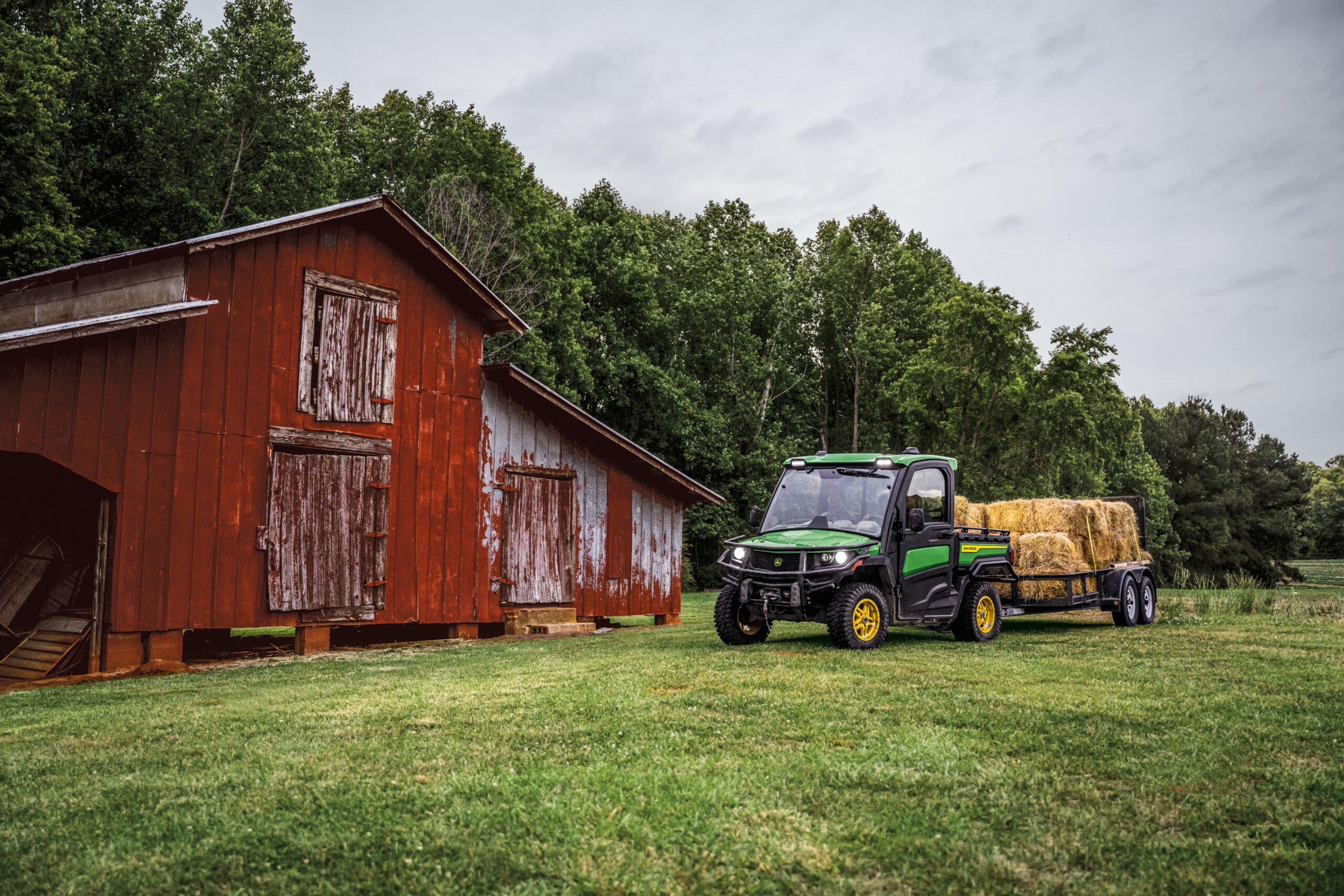
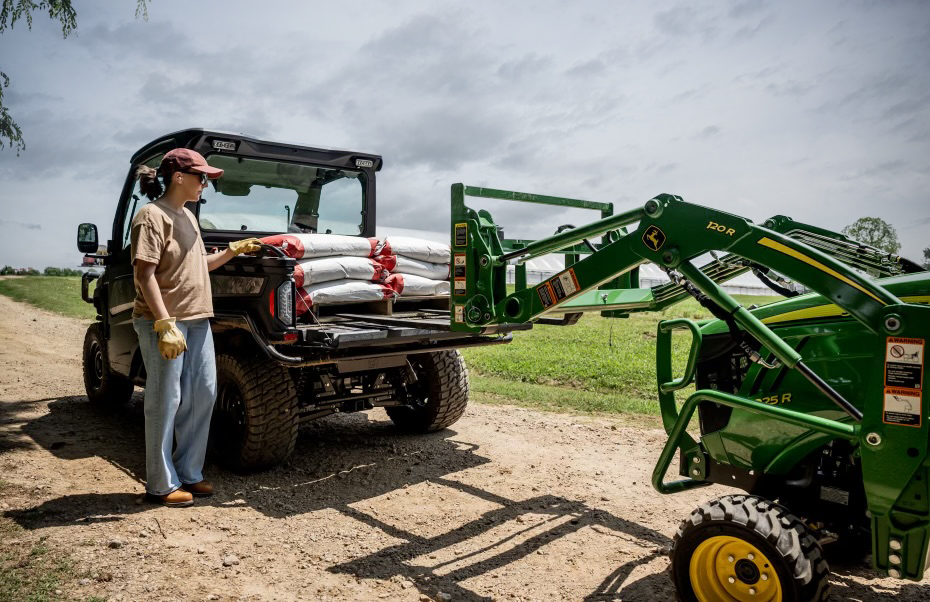
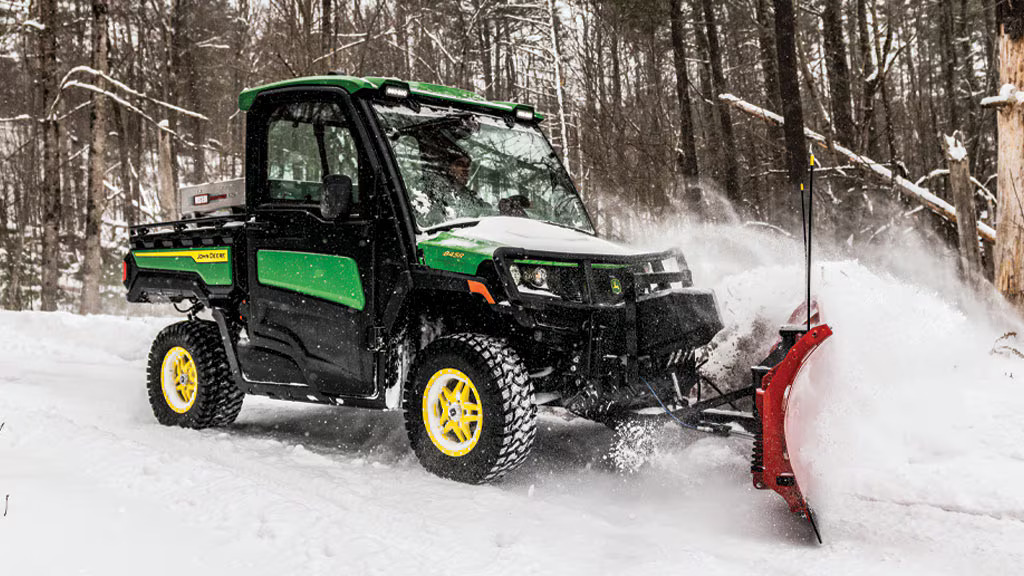
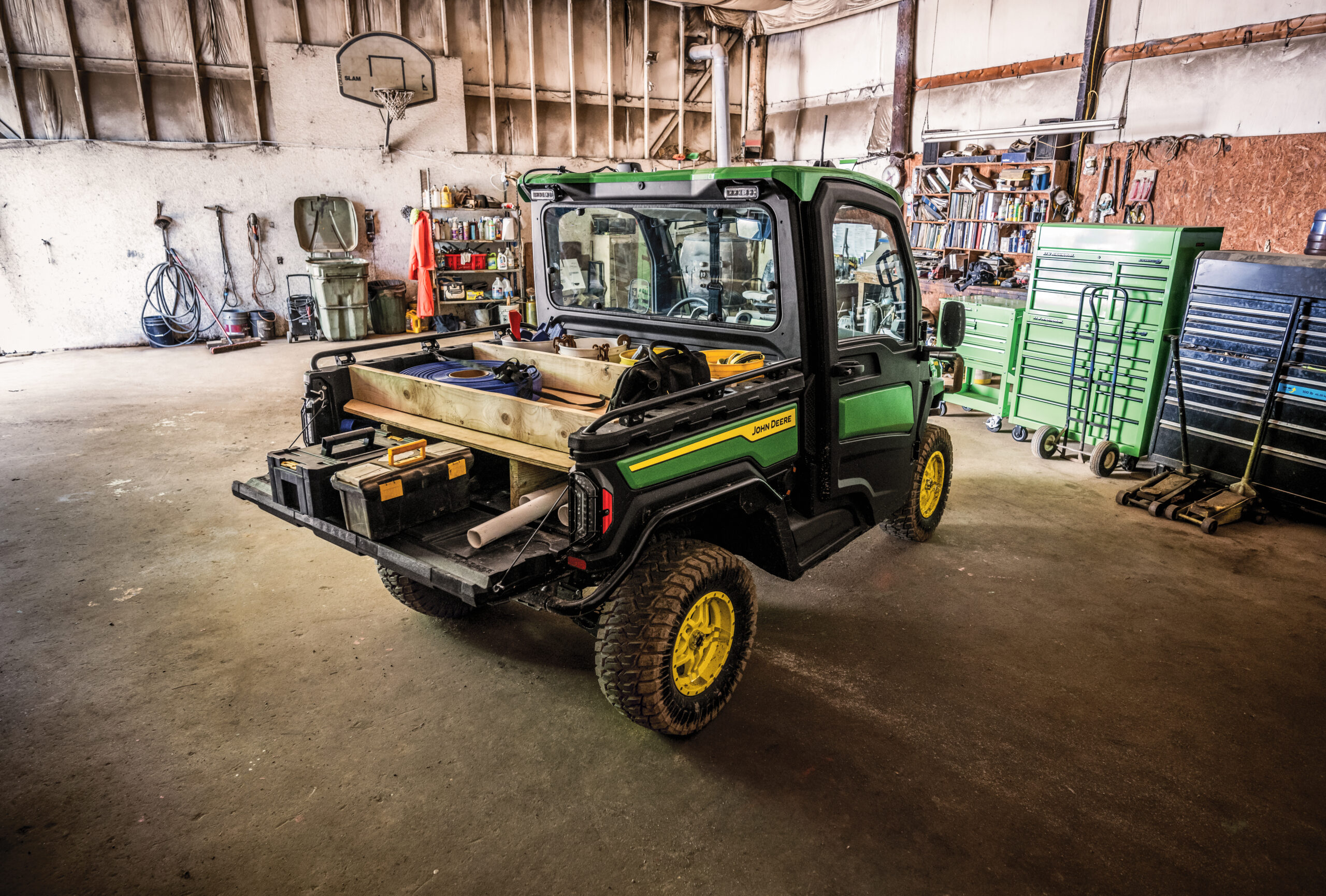
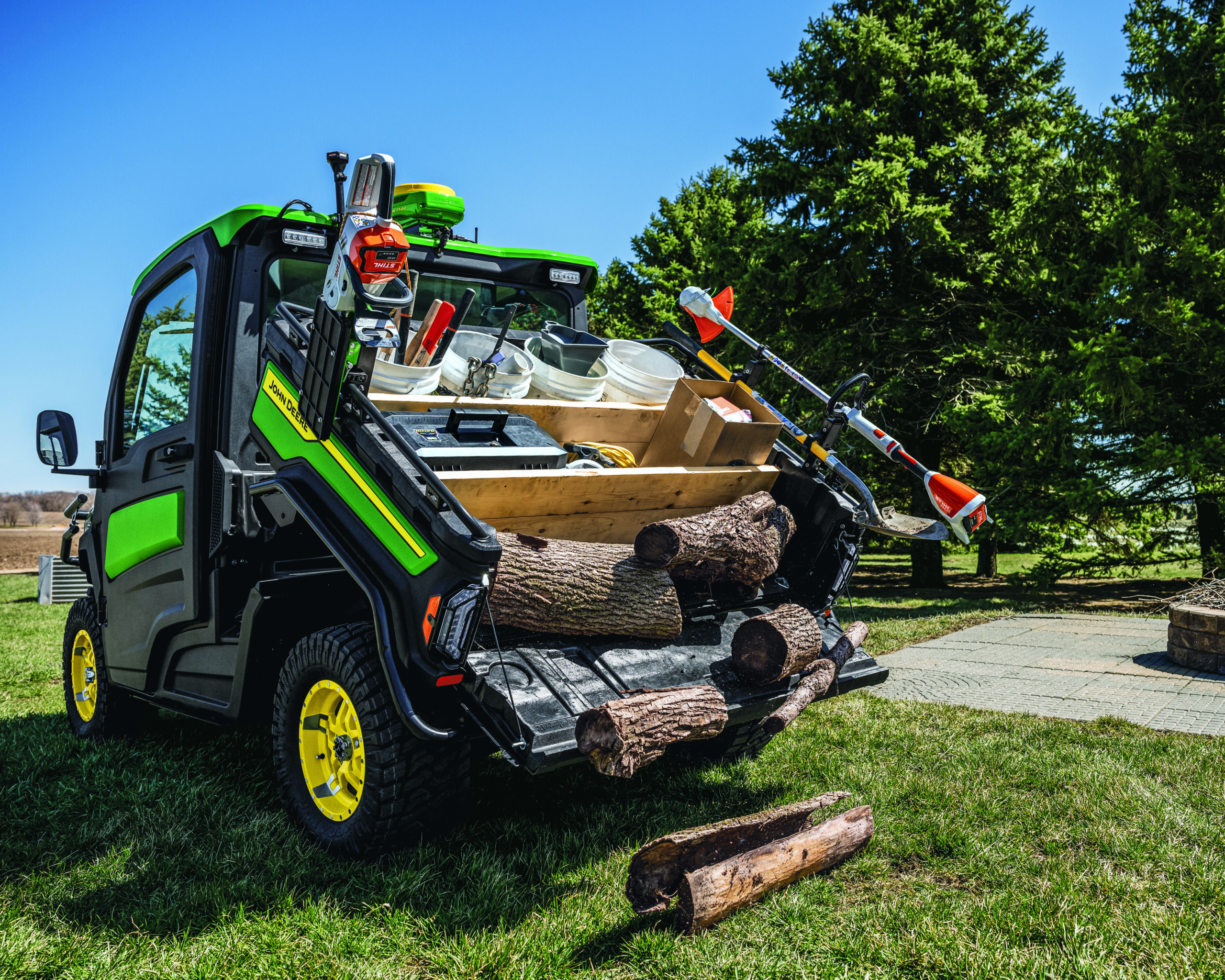
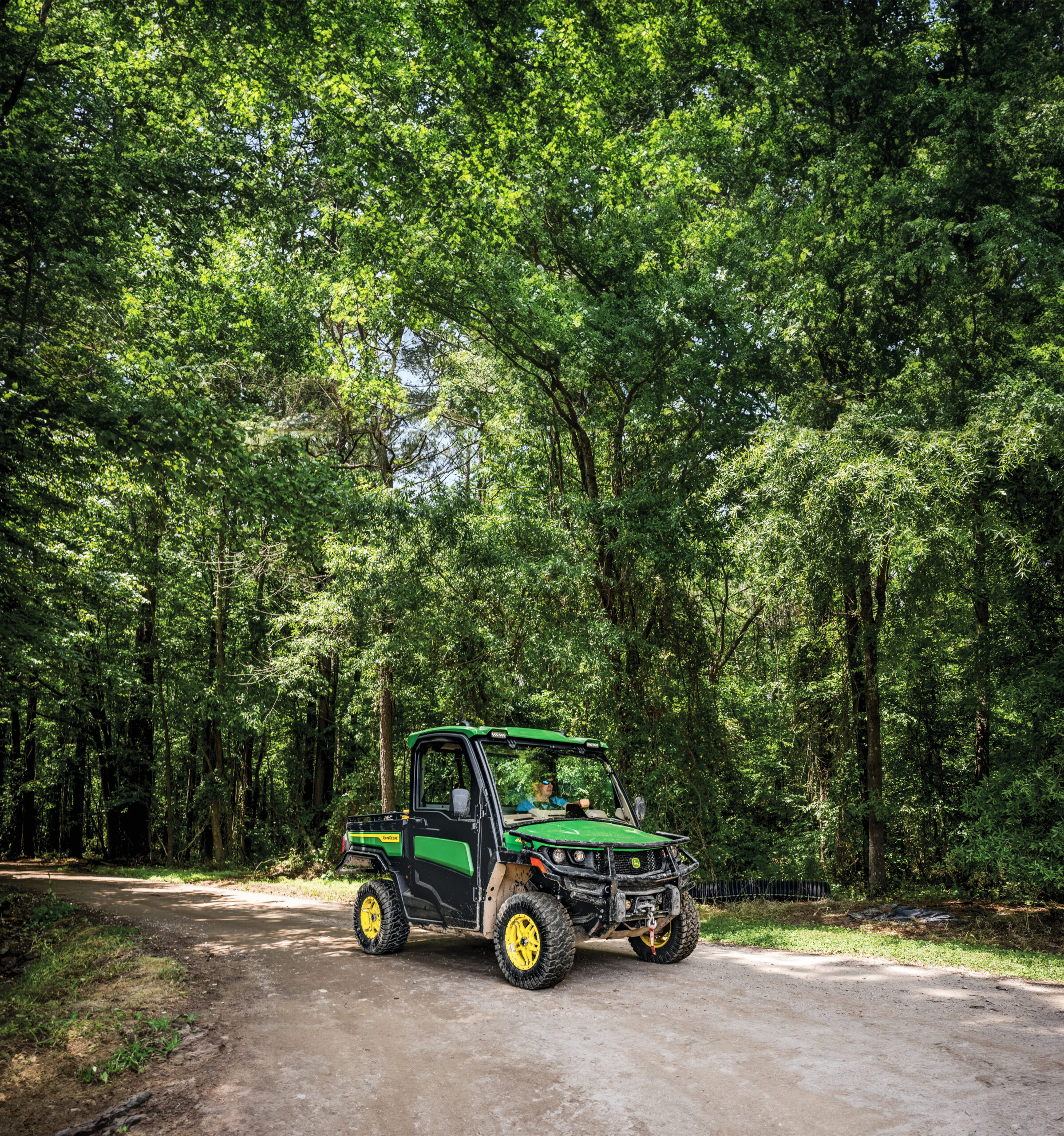
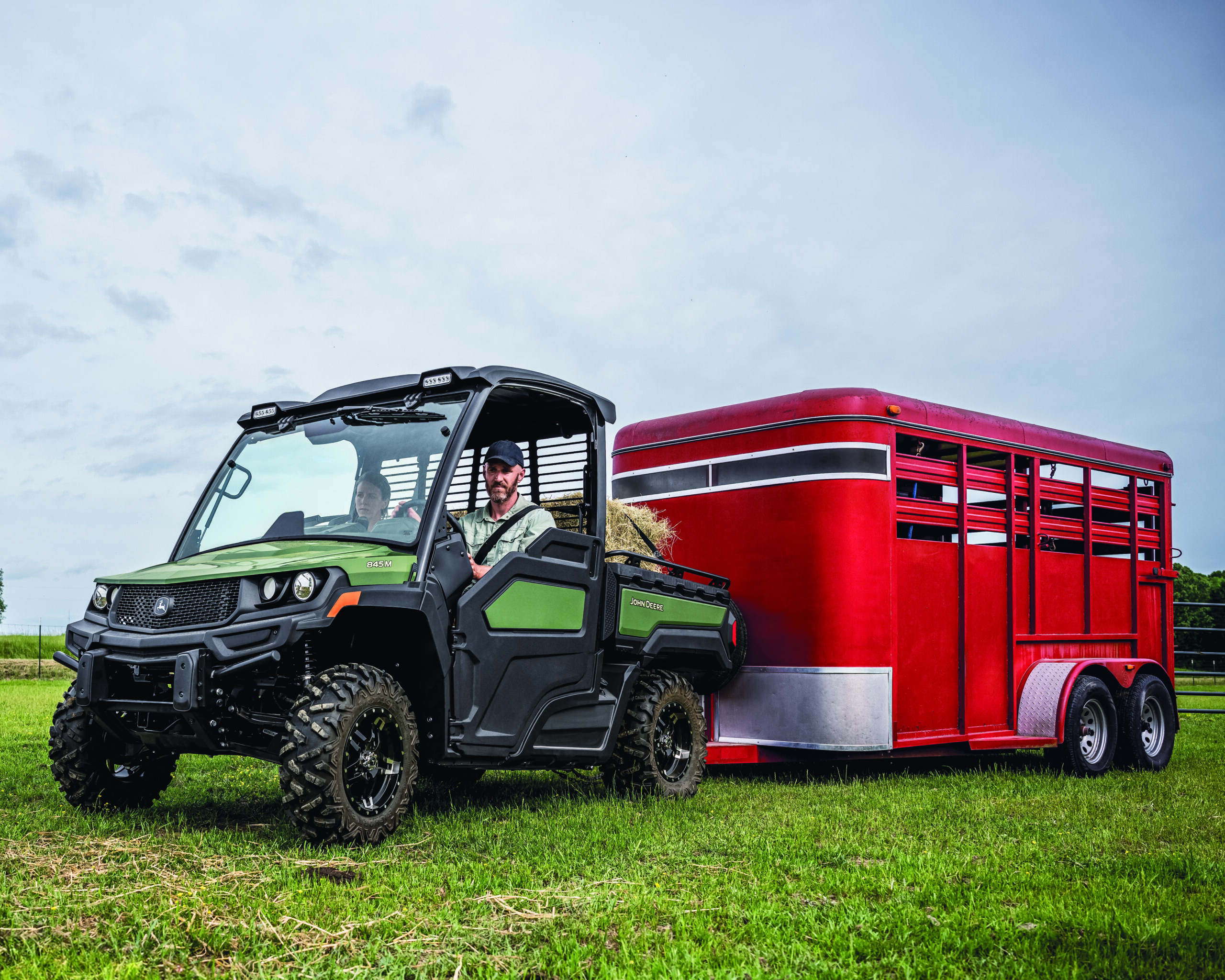
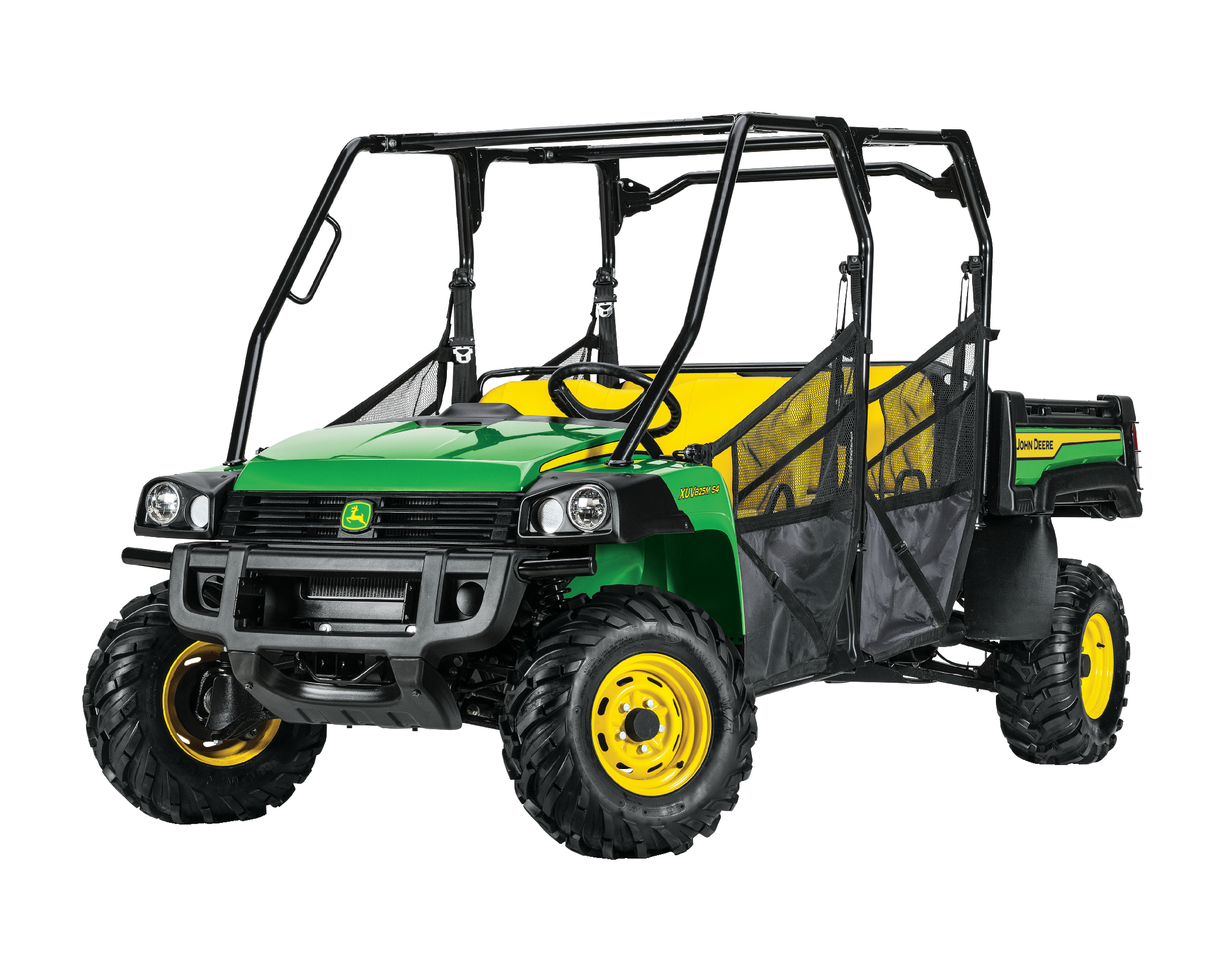
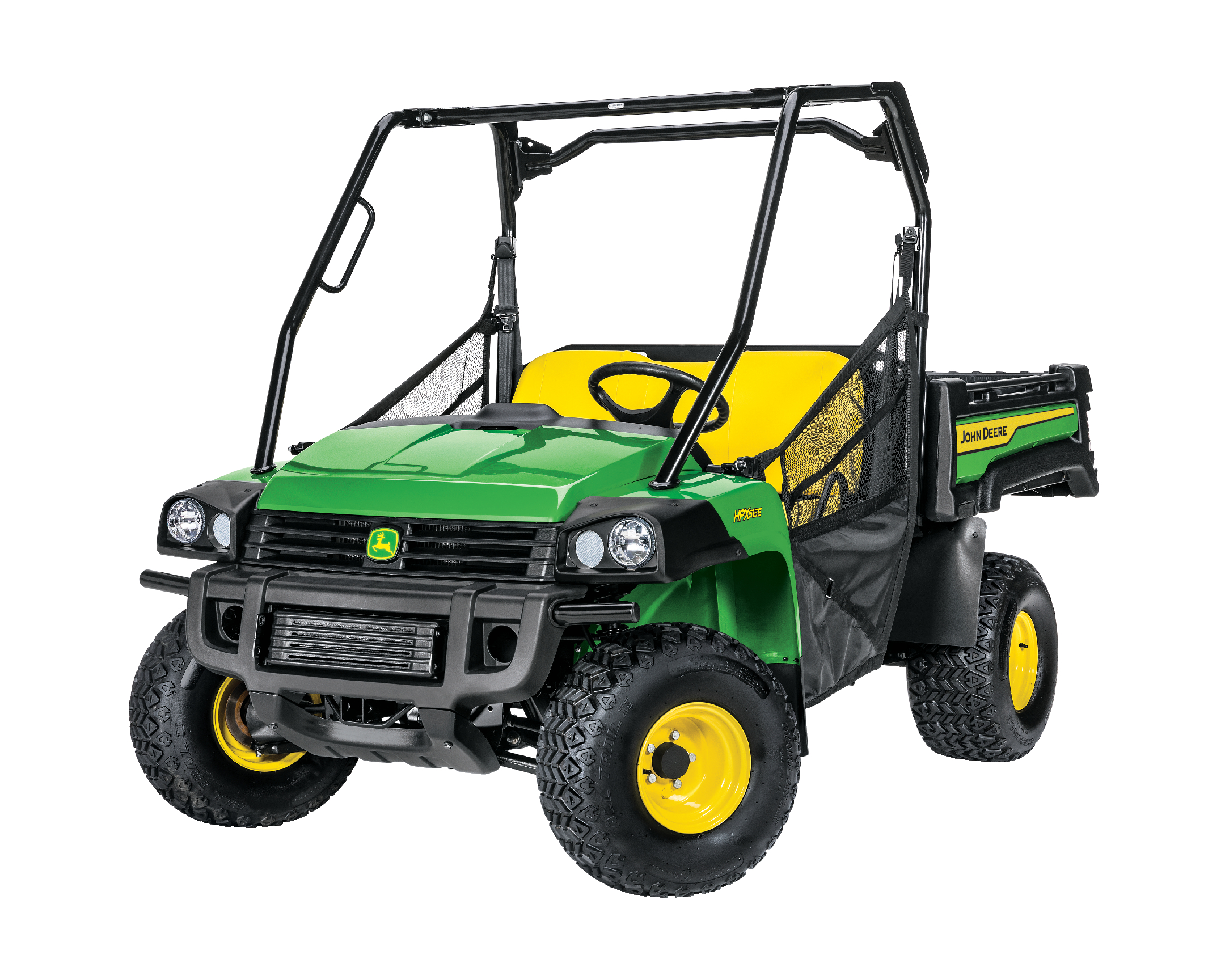
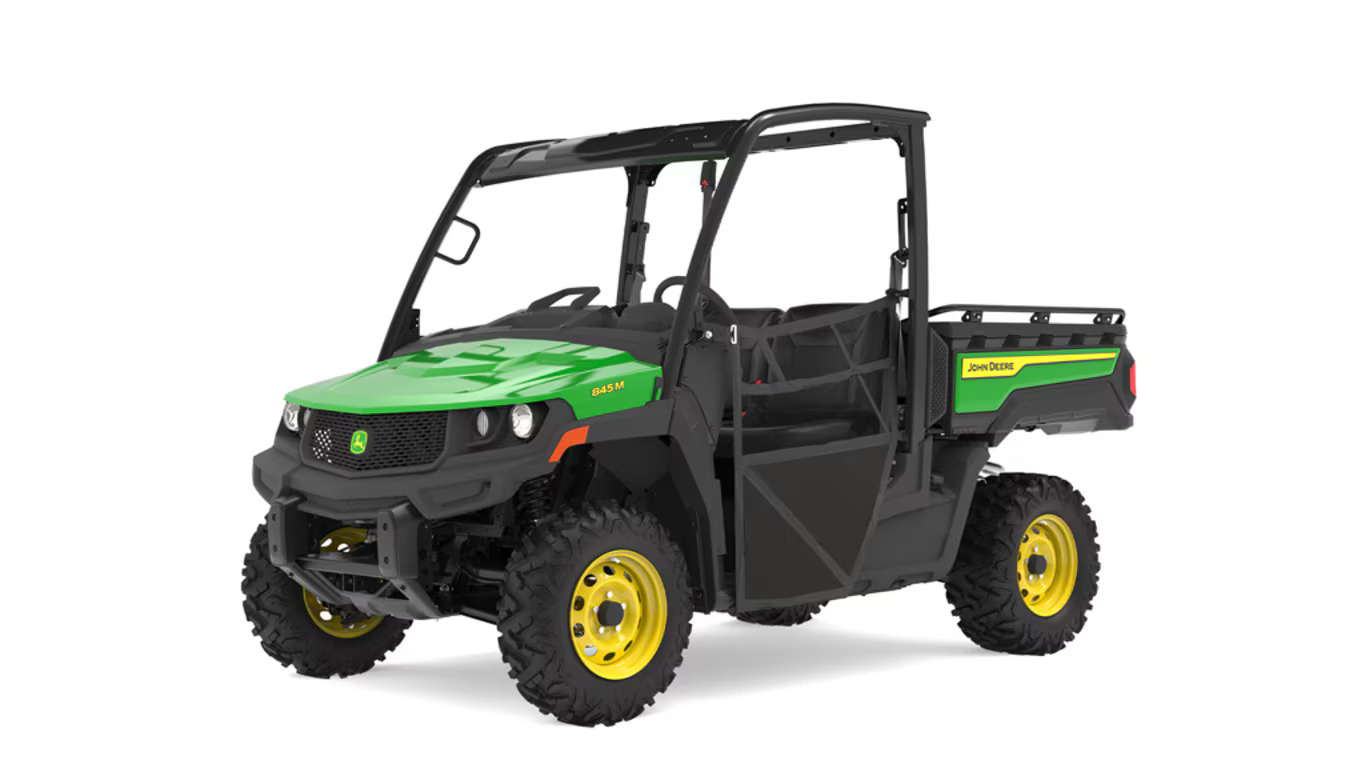
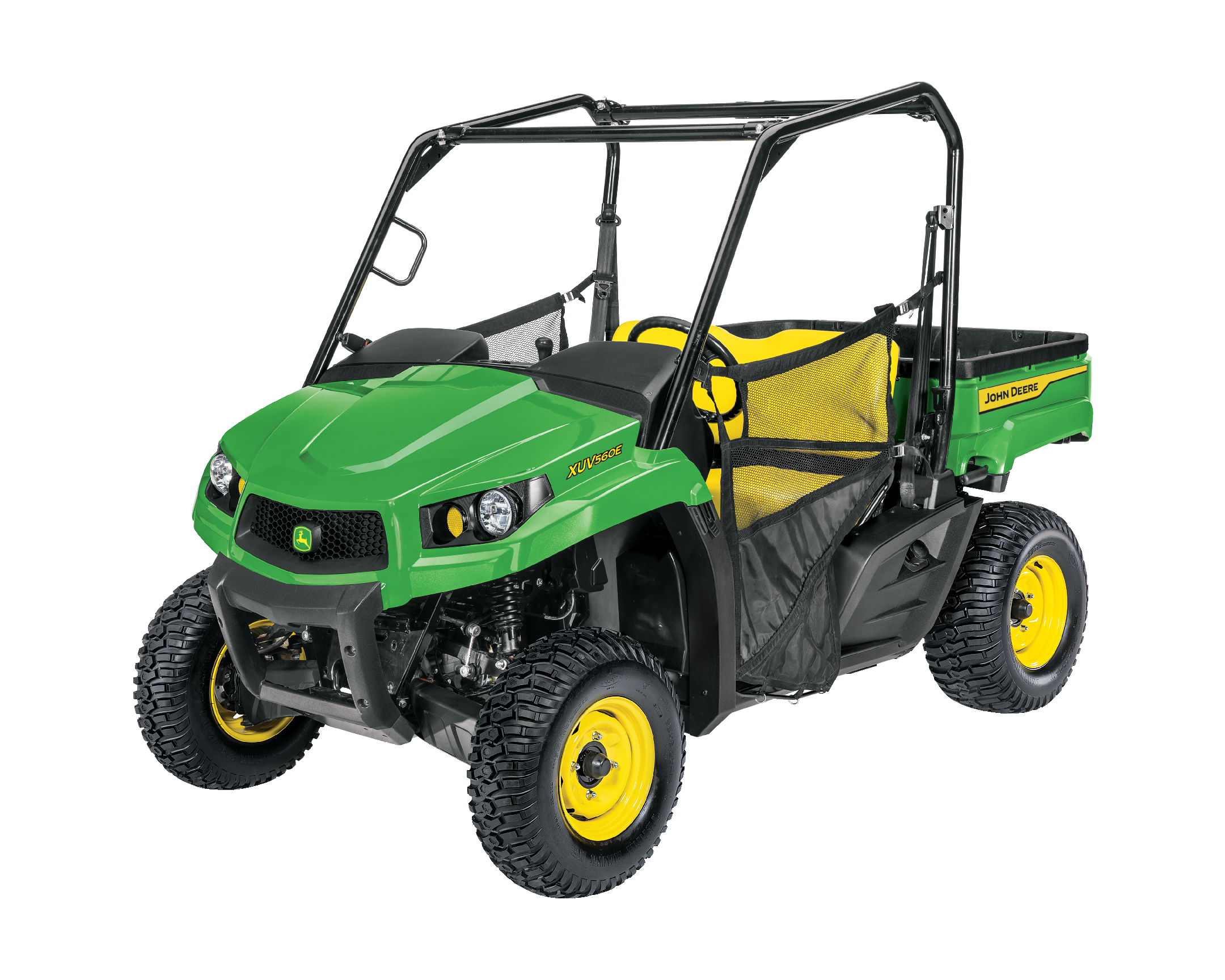
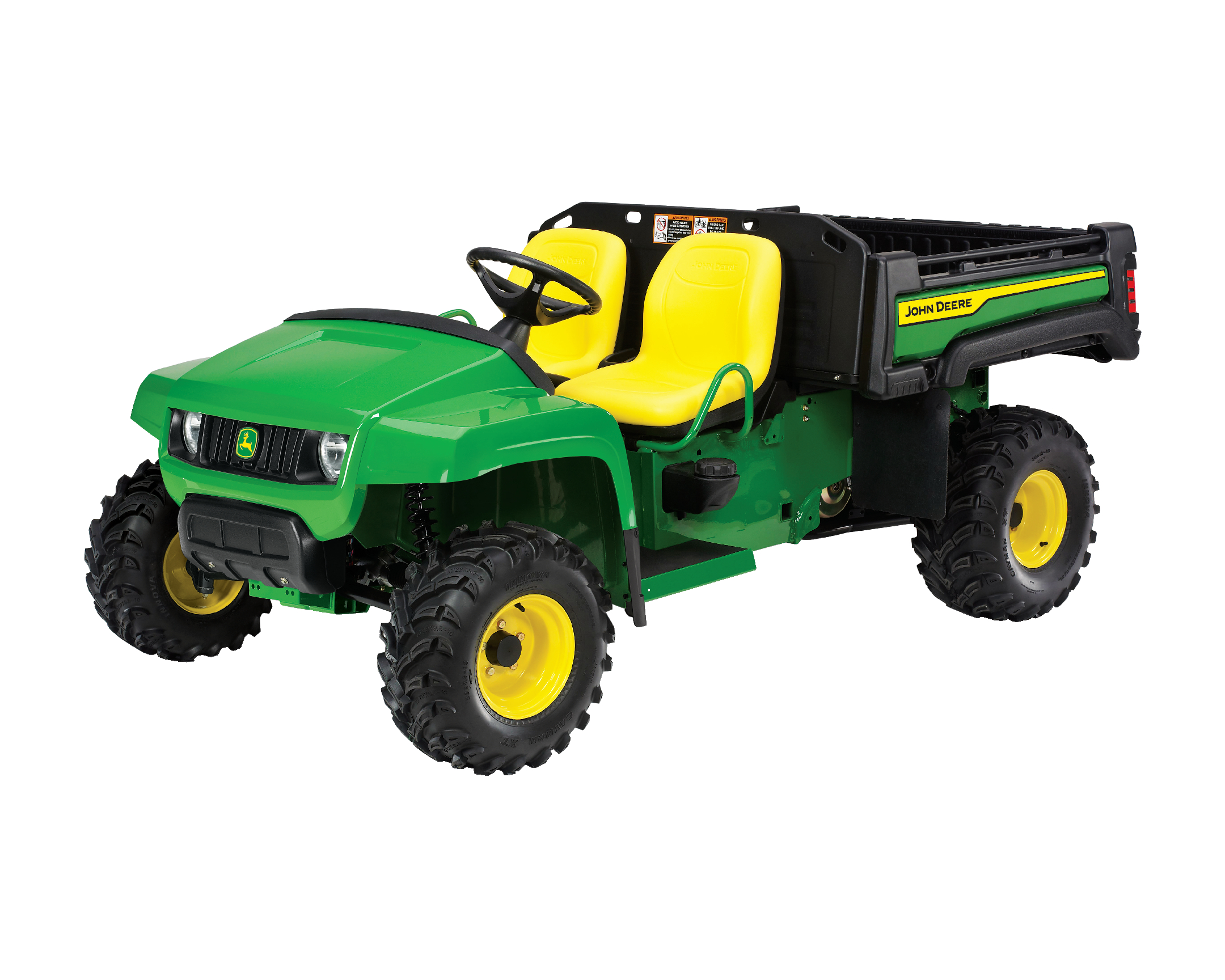
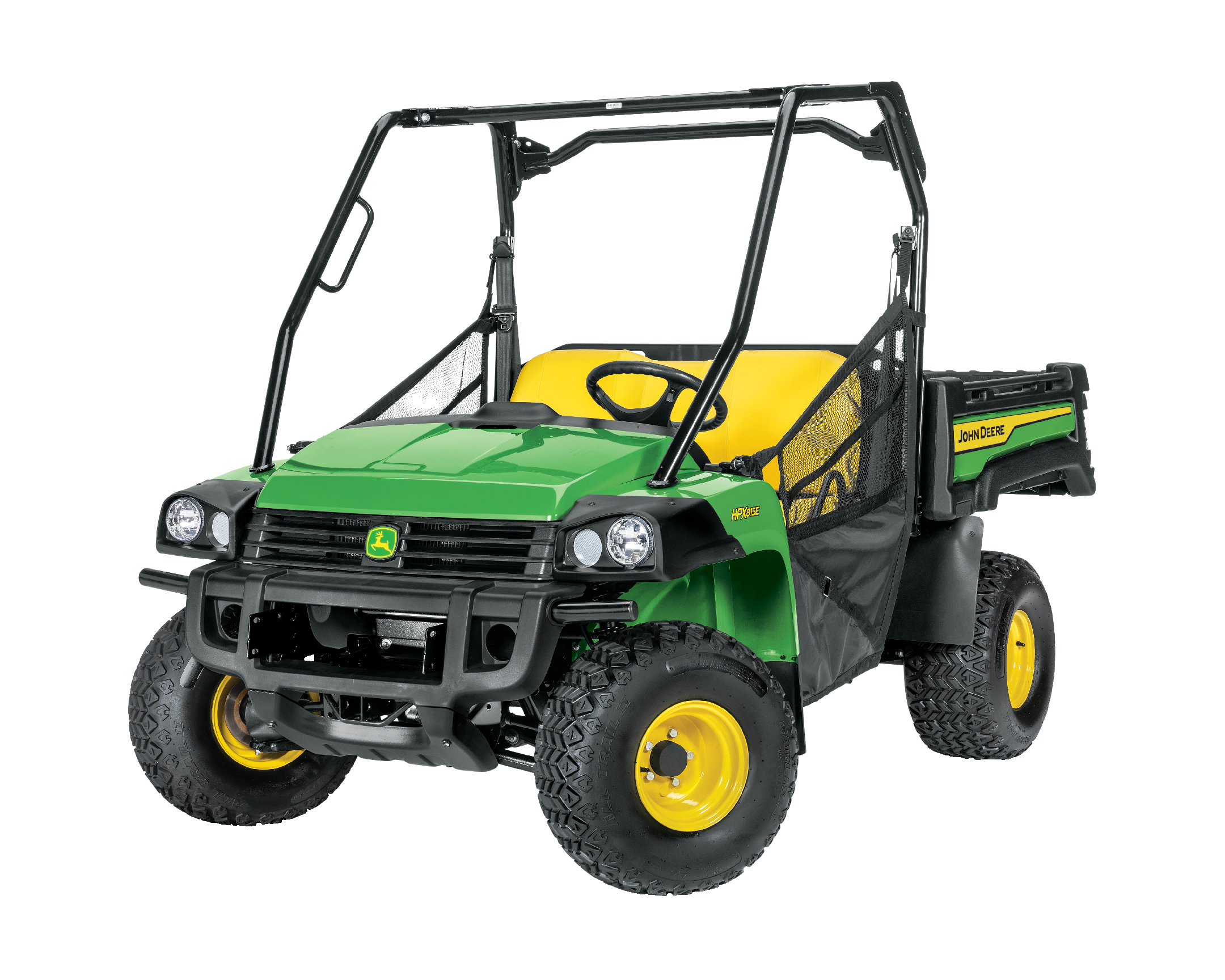
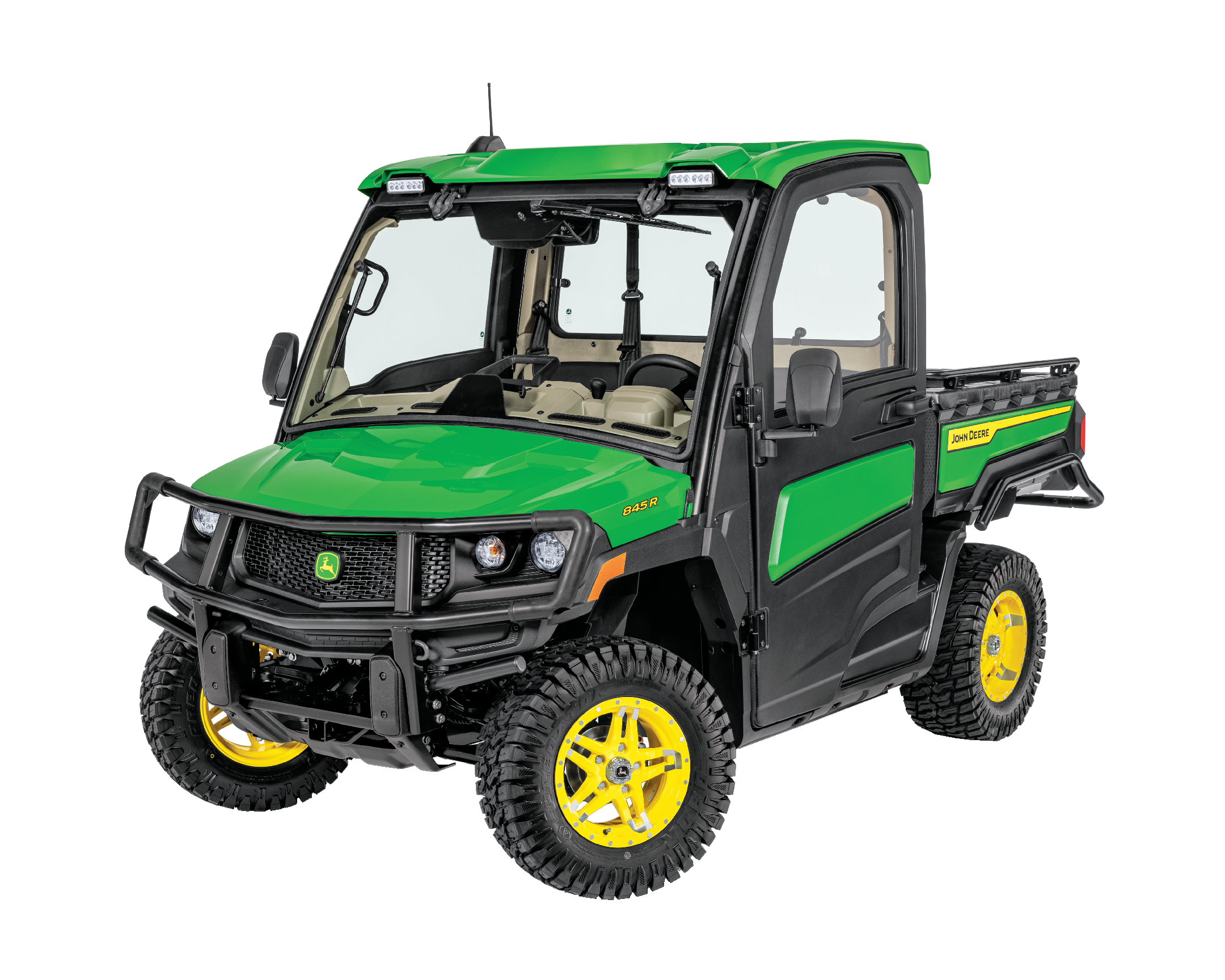
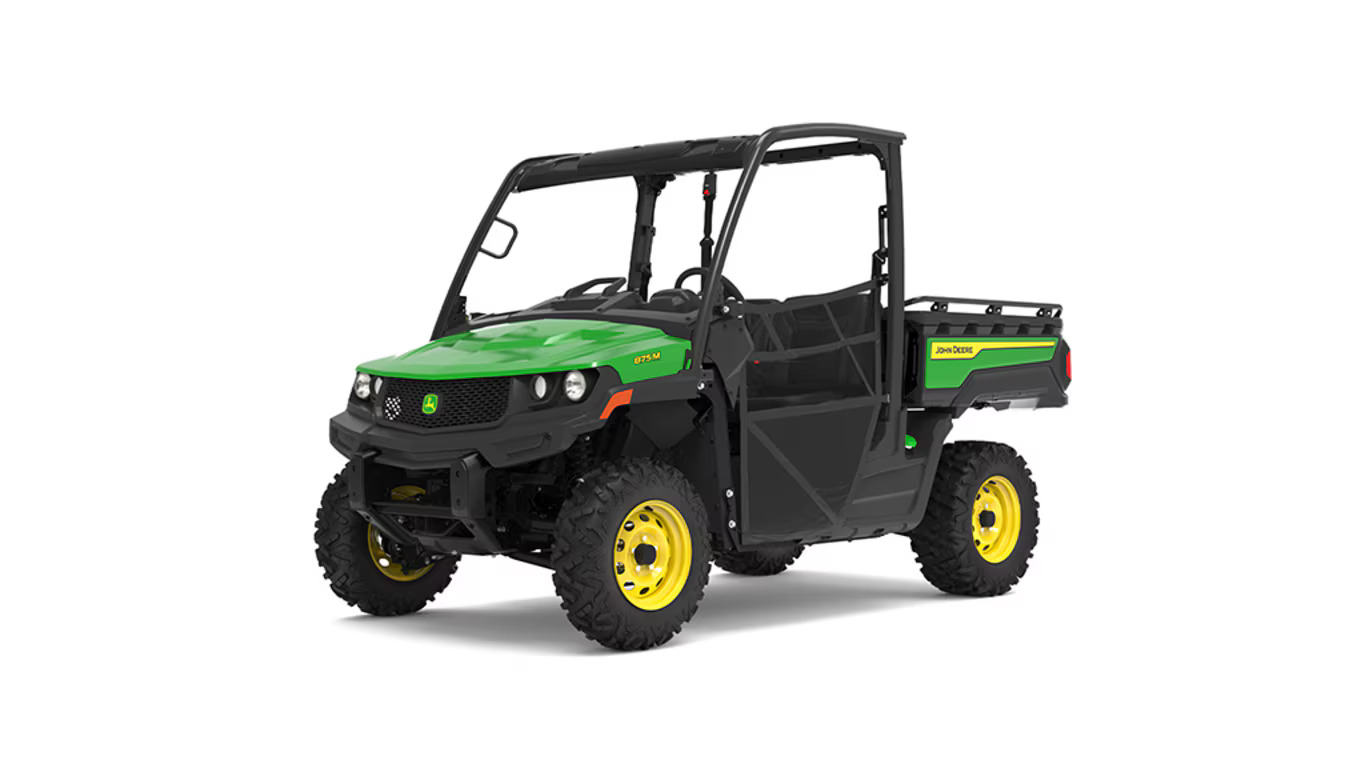
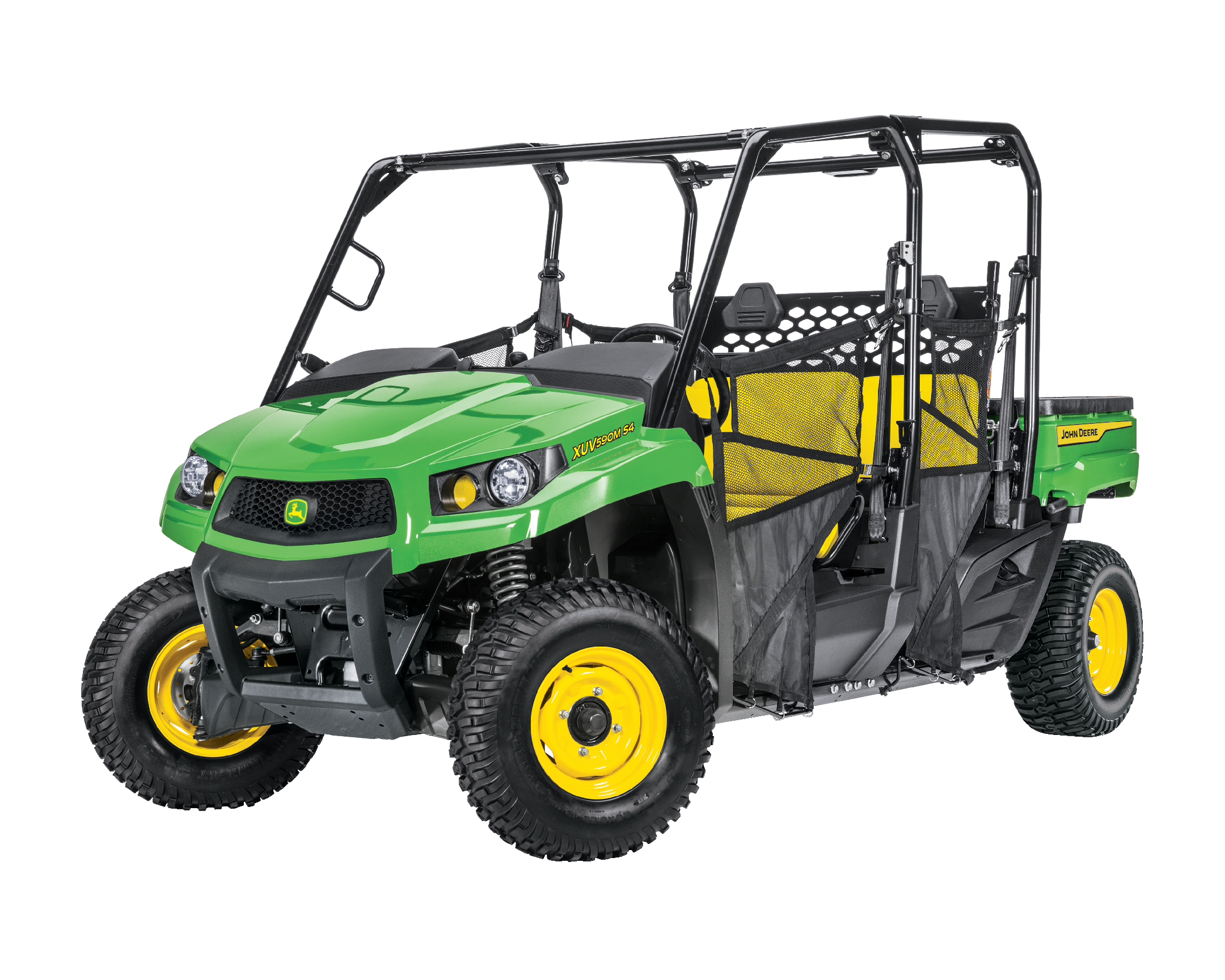
John Deere introduced the Gator in 1992—soon a favourite among landowners for its durability and dump bed design. By the early 2000s, side by sides started to feature enhanced suspension systems, enclosed cabs, and higher towing and hauling capabilities. These changes shifted public perception: UTVs weren’t just farm vehicles anymore—they were trail-capable, fun-to-drive machines.
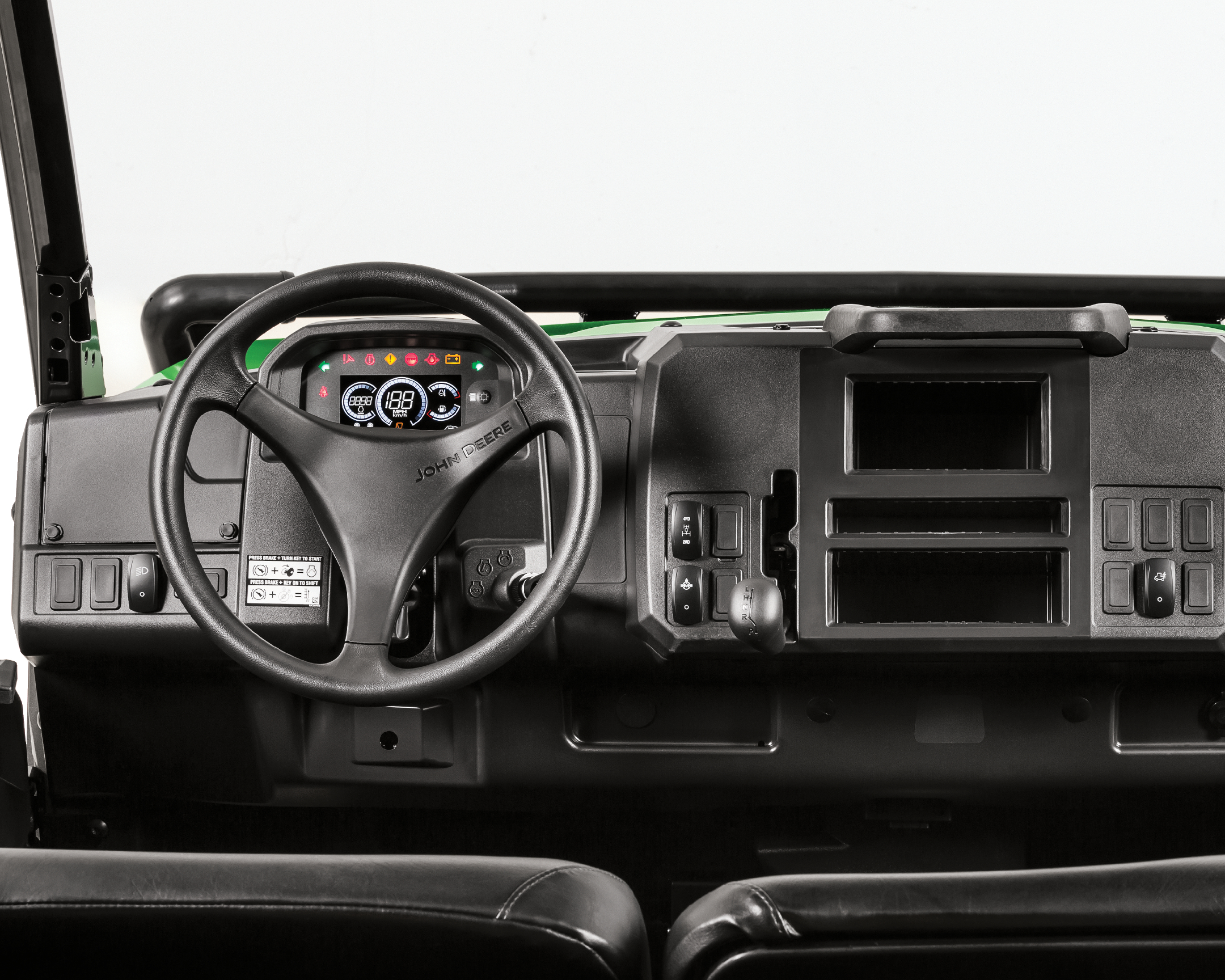
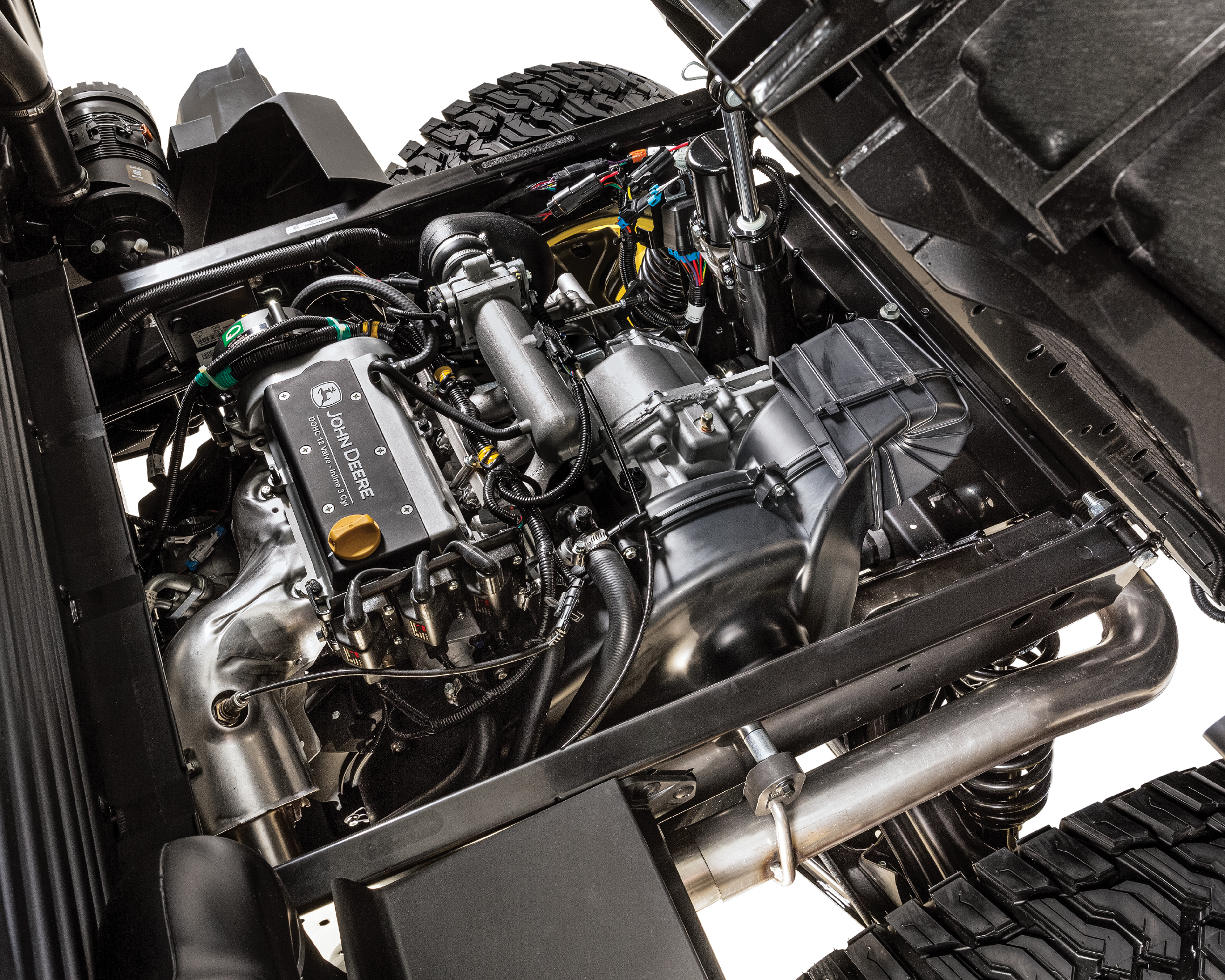
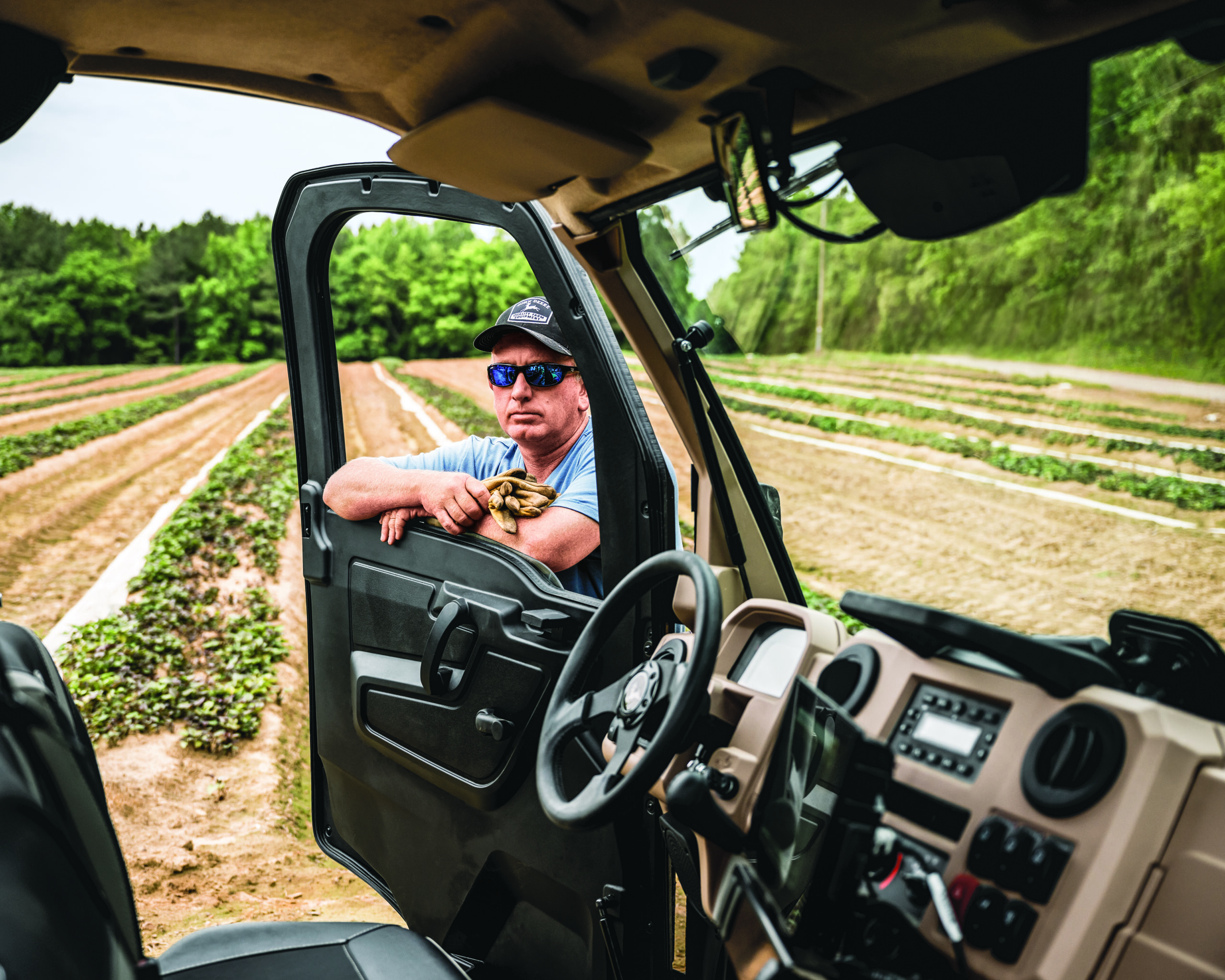
Today’s side-by-sides are a far cry from their early predecessors. As safety and efficiency became top priorities, side-by-sides also started incorporating rollover protection structures (ROPS), seat belts, and ergonomic seating. Modern models boast digital displays, selectable drive modes, LED lighting, and even climate-controlled cabs. Environmentally conscious options, like low-emission engines and electric models, are also becoming more common. Whether for work or recreation, today’s side by sides are smarter, tougher, and more capable than ever—ready to take on the diverse challenges of Barrie and Simcoe County life.